DE EN
Pfeifer & Langen logo
Close-up of several green cucumbers with textured surfaces

Sustainability Report

Even pickles need sugar

Pickles need sugar, and sustainability needs commitment. That is why we take responsibility – for our products, our processes and the people throughout the entire value chain.

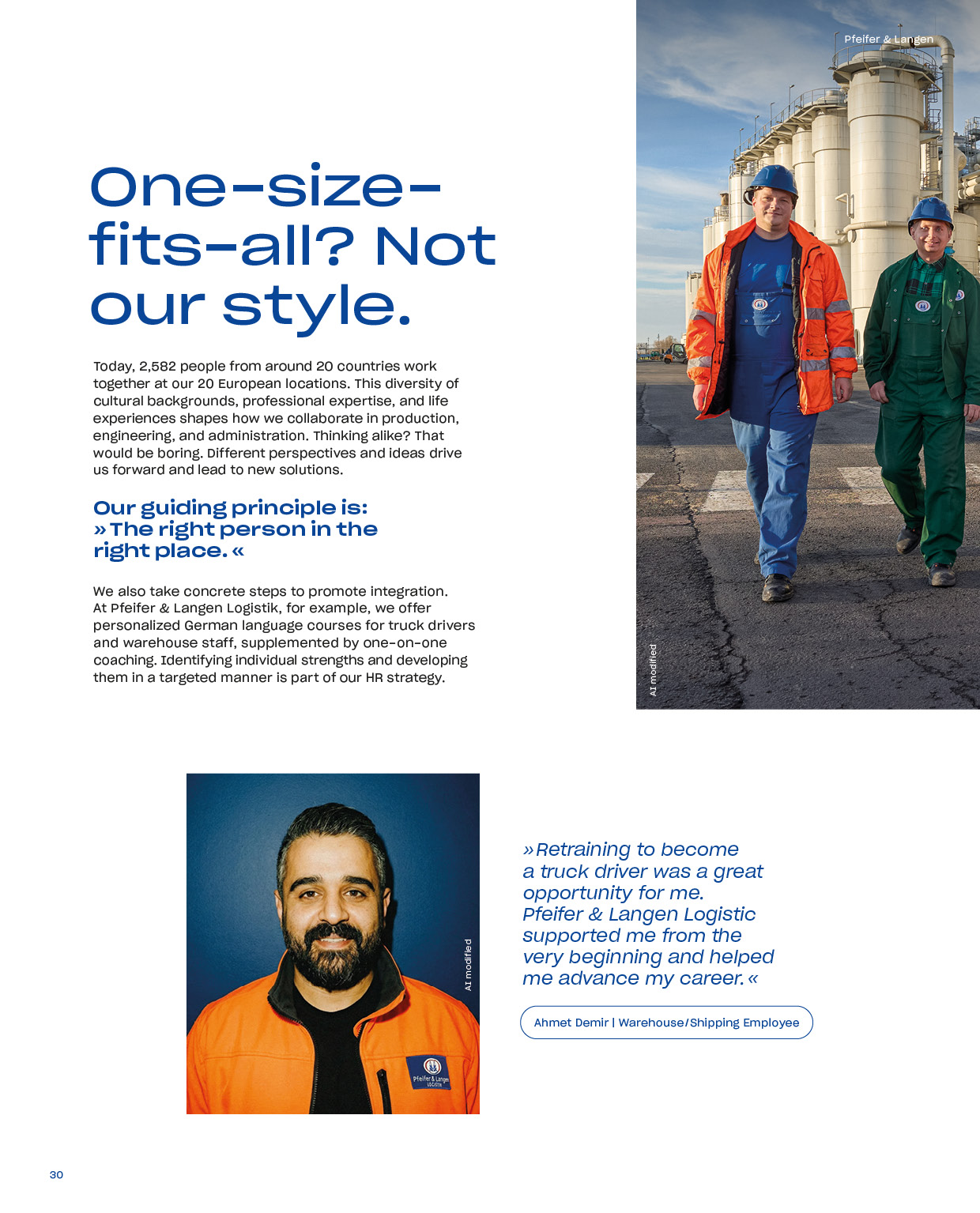
Two men wearing helmets are walking through the boiler plant

Doing good needs courage

Pfeifer & Langen stands for sugar so commonplace that it’s easy to forget just how much knowledge, passion, and responsibility goes into producing it. We combine the everyday with humanity. Ultimately, it all comes down to three simple words: We make sugar.

Sugar that is so natural and indispensable. The same applies to sustainability at our company. In the field, in production, with customers. From the first idea to the final implementation – efficient, conscious, honest. Because acting sustainably is just as natural to us as sugar is to good taste.

Two people are holding freshly harvested sugar beet in a field

Taking responsibility: For us, this is both a goal and an obligation.

Management of Pfeifer & Langen

Sustainability in sugar production

From food and agriculture to climate and resource protection and social responsibility: our sustainability report shows how we approach sustainability across the entire value chain – today and in the future.

pfeifer-und-langen-nachhaltigkeitsbericht-ernaehrung-2x-en

Sugar is real. It’s not an artificial product or an ultra-processed food – it comes from nature. For centuries, it has been an integral part of cultures worldwide and gives our meals their authentic, natural flavor. It’s in birthday cakes just as much as it is in jam or savory tomato sauces. Because its role doesn’t end with sweetening. Sometimes it works where you least expect it, and that’s exactly what makes it so special.

Sustainability: Read more

Sustainability Report

PuL_Sustainability-Report01
PuL_Sustainability-Report02
PuL_Sustainability-Report03
PuL_Sustainability-Report04
PuL_Sustainability-Report05
PuL_Sustainability-Report06
PuL_Sustainability-Report07
PuL_Sustainability-Report08
PuL_Sustainability-Report09
PuL_Sustainability-Report10
PuL_Sustainability-Report11
PuL_Sustainability-Report12
PuL_Sustainability-Report13
PuL_Sustainability-Report14
PuL_Sustainability-Report15
PuL_Sustainability-Report16
PuL_Sustainability-Report17
PuL_Sustainability-Report18
PuL_Sustainability-Report19
PuL_Sustainability-Report20
PuL_Sustainability-Report21
PuL_Sustainability-Report22
PuL_Sustainability-Report23
PuL_Sustainability-Report24
PuL_Sustainability-Report25
PuL_Sustainability-Report26
PuL_Sustainability-Report27
PuL_Sustainability-Report28
PuL_Sustainability-Report29
PuL_Sustainability-Report30
PuL_Sustainability-Report31
PuL_Sustainability-Report32
PuL_Sustainability-Report33
PuL_Sustainability-Report34
PuL_Sustainability-Report35
PuL_Sustainability-Report36
PuL_Sustainability-Report37
PuL_Sustainability-Report38
PuL_Sustainability-Report39
PuL_Sustainability-Report40
PuL_Sustainability-Report41
PuL_Sustainability-Report42
PuL_Sustainability-Report43
PuL_Sustainability-Report44
PuL_Sustainability-Report45
PuL_Sustainability-Report46
PuL_Sustainability-Report47
PuL_Sustainability-Report48
PuL_Sustainability-Report49
PuL_Sustainability-Report50
PuL_Sustainability-Report51
PuL_Sustainability-Report52
PuL_Sustainability-Report53
PuL_Sustainability-Report54
PuL_Sustainability-Report55
PuL_Sustainability-Report56
PuL_Sustainability-Report57
PuL_Sustainability-Report58
PuL_Sustainability-Report59
PuL_Sustainability-Report60
PuL_Sustainability-Report61
PuL_Sustainability-Report62
PuL_Sustainability-Report63
PuL_Sustainability-Report64
PuL_Sustainability-Report65
PuL_Sustainability-Report66
PuL_Sustainability-Report67
PuL_Sustainability-Report68
PuL_Sustainability-Report69
PuL_Sustainability-Report70
PuL_Sustainability-Report71
PuL_Sustainability-Report72
PuL_Sustainability-Report73
PuL_Sustainability-Report74
PuL_Sustainability-Report75
PuL_Sustainability-Report76
PuL_Sustainability-Report77
PuL_Sustainability-Report78
PuL_Sustainability-Report79
PuL_Sustainability-Report80
PuL_Sustainability-Report81
PuL_Sustainability-Report82
PuL_Sustainability-Report83
PuL_Sustainability-Report84
PuL_Sustainability-Report85
PuL_Sustainability-Report86
PuL_Sustainability-Report87
PuL_Sustainability-Report88
PuL_Sustainability-Report89
PuL_Sustainability-Report90
Sustainability Report

Downloads

Our sustainability strategy

This is what we’ve already accomplished

Our path to climate neutrality is yielding tangible results. With our SBTi validation (July 2025), we have not only committed to ambitious climate targets but have also put them into practice across all scopes. Our strategy for CO₂ reduction, energy efficiency, and sustainable agriculture is already bearing fruit and is being continuously refined – from our German production facilities to our supply chains.

Step by step towards the future

For us, sustainability is not a goal that we simply achieve and then check off our list. It is an ongoing process that challenges and drives us every day. Developments in recent years show that we have taken important steps and, at the same time, how much still lies ahead of us.

pfeifer-und-langen-nachhaltigkeitsbericht-richtung-zukunft-2x-en
pfeifer-und-langen-sustainbilityreport-saure-gurke-en-2x

In the end it all comes full circle

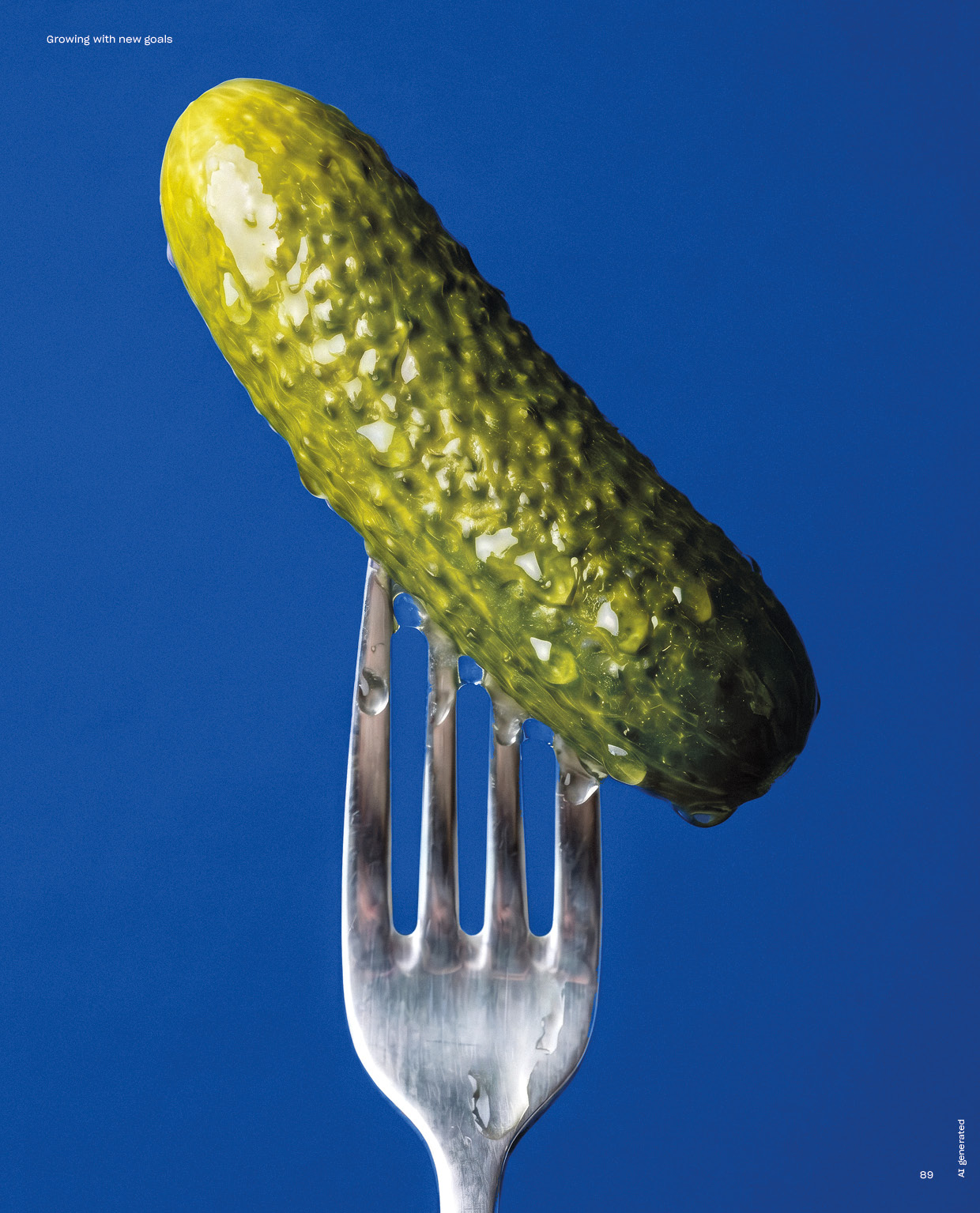
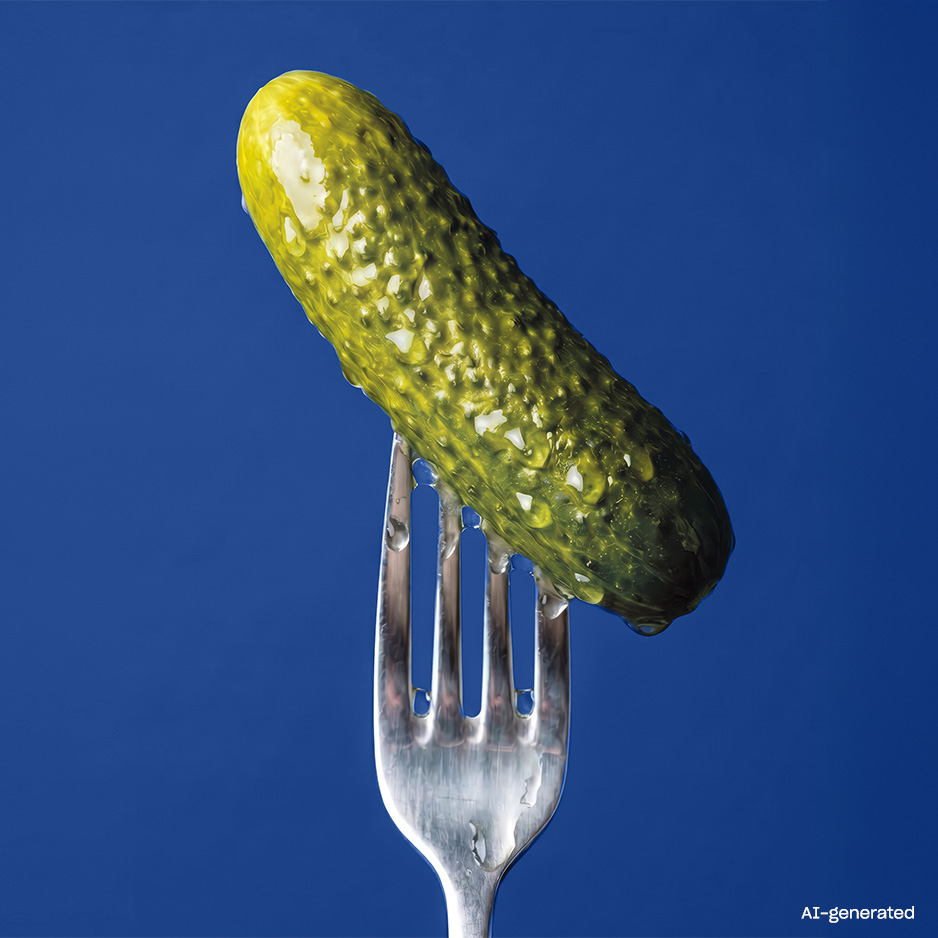
It all started with a pickle – and a simple question: what does it have to do with sugar? Sugar creates balance. It connects. It brings things together that only reveal their full potential when they work in harmony. And that’s exactly how we understand sustainability. Not as a single measure, but as the interplay of many factors: people, ideas, resources, and responsibility.